
 Alphabet · printing · congregations
Churches, schools and written Fijian
Alphabet · printing · congregations
A language carried by speech found new forms on the printed page.
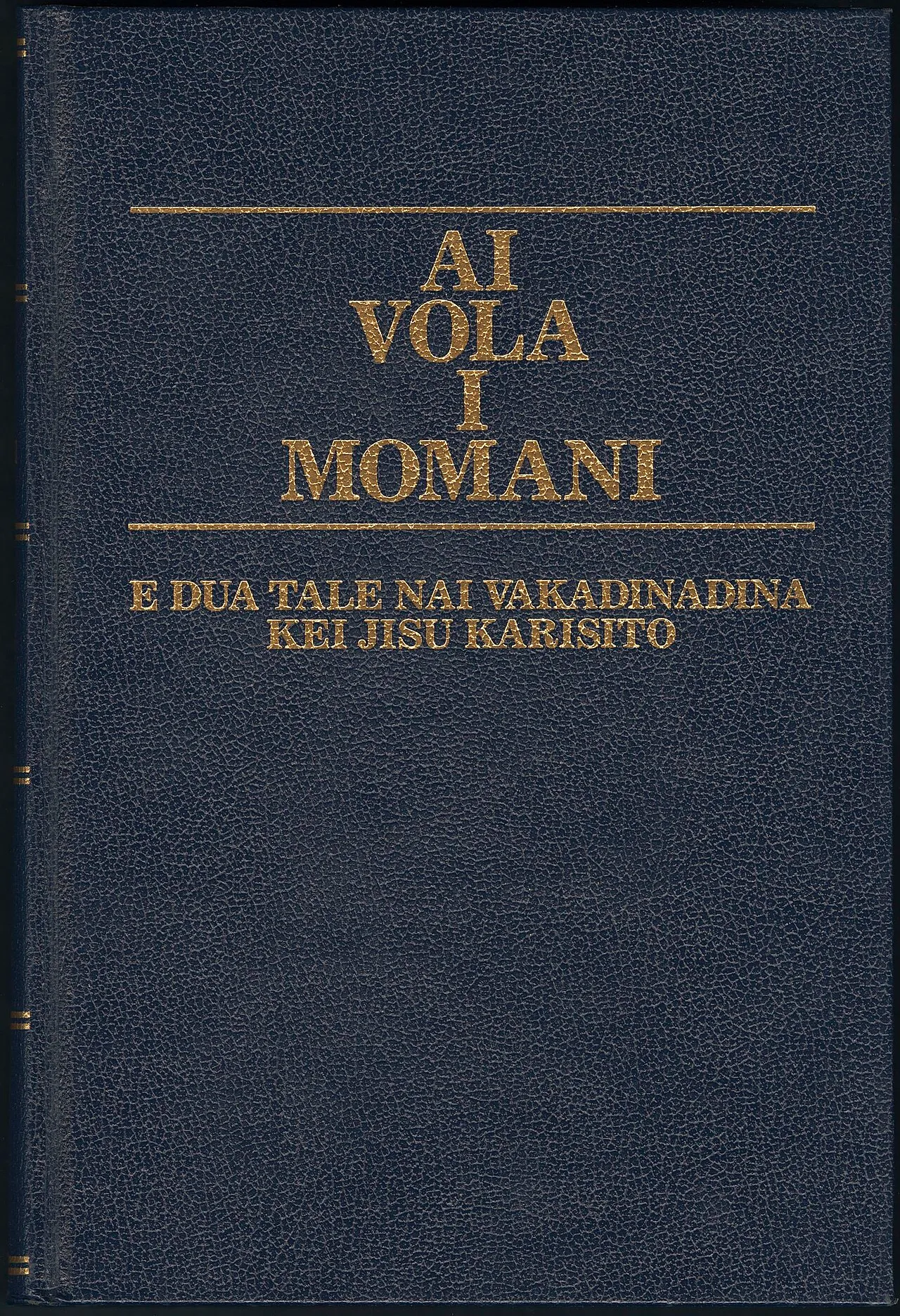
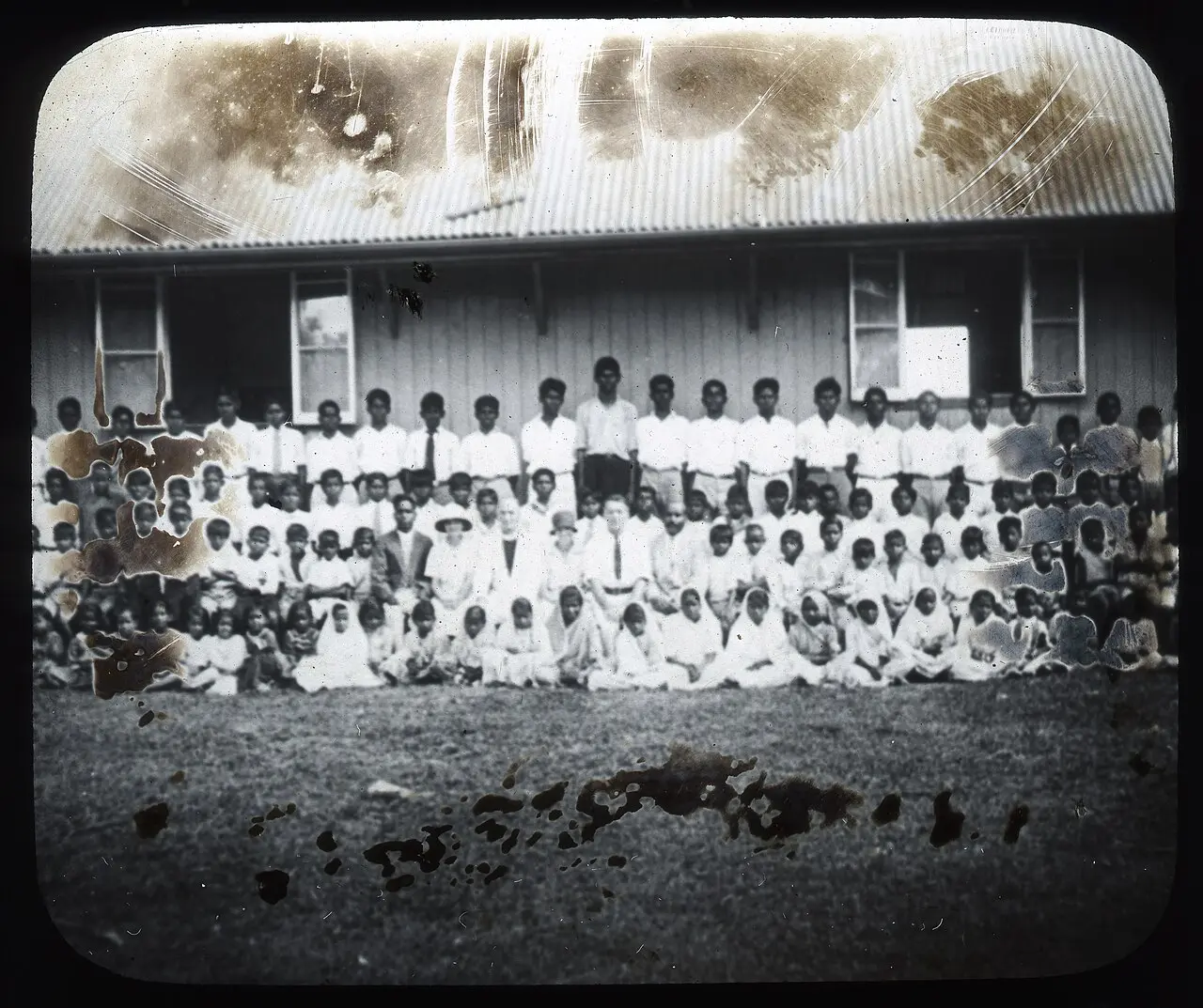
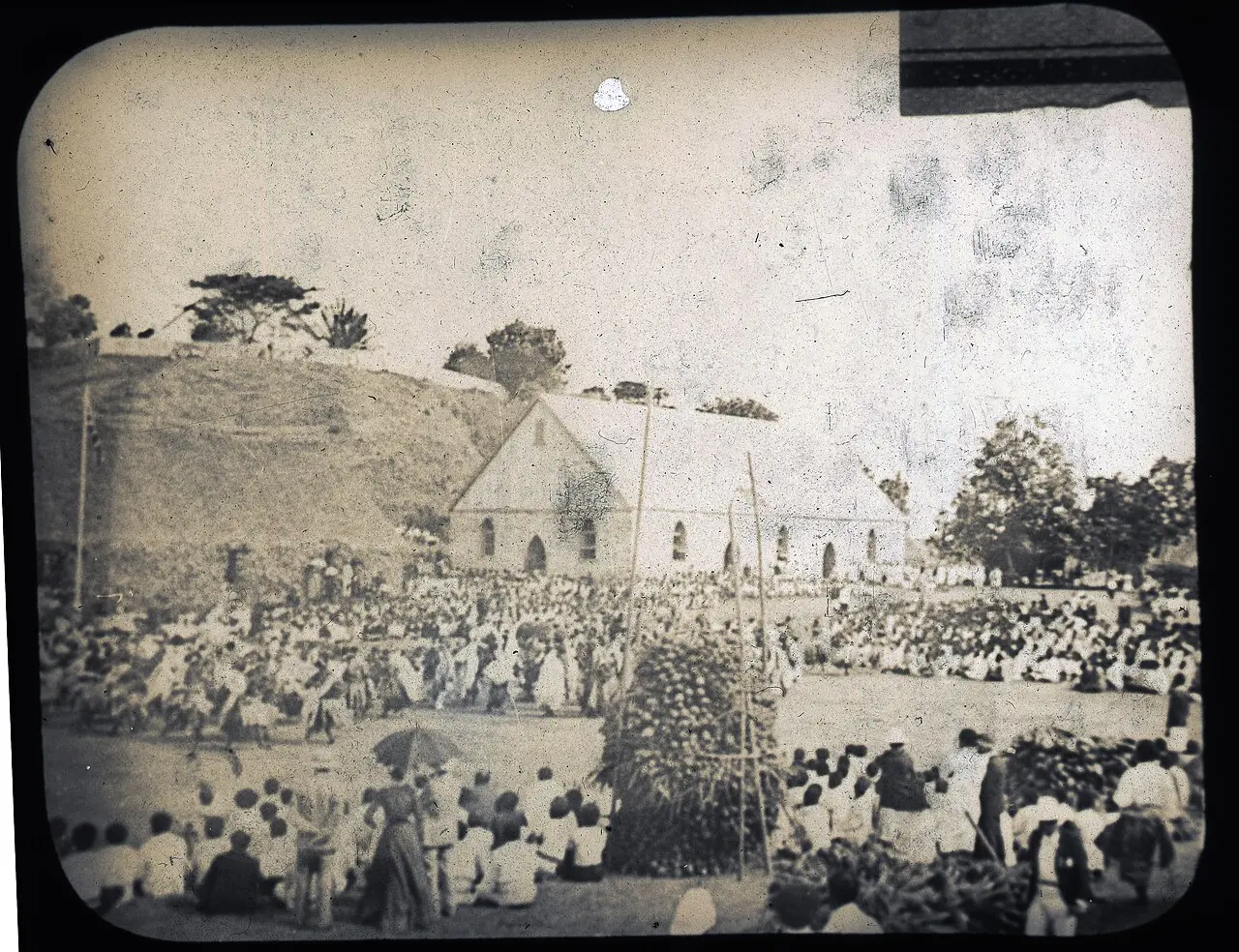
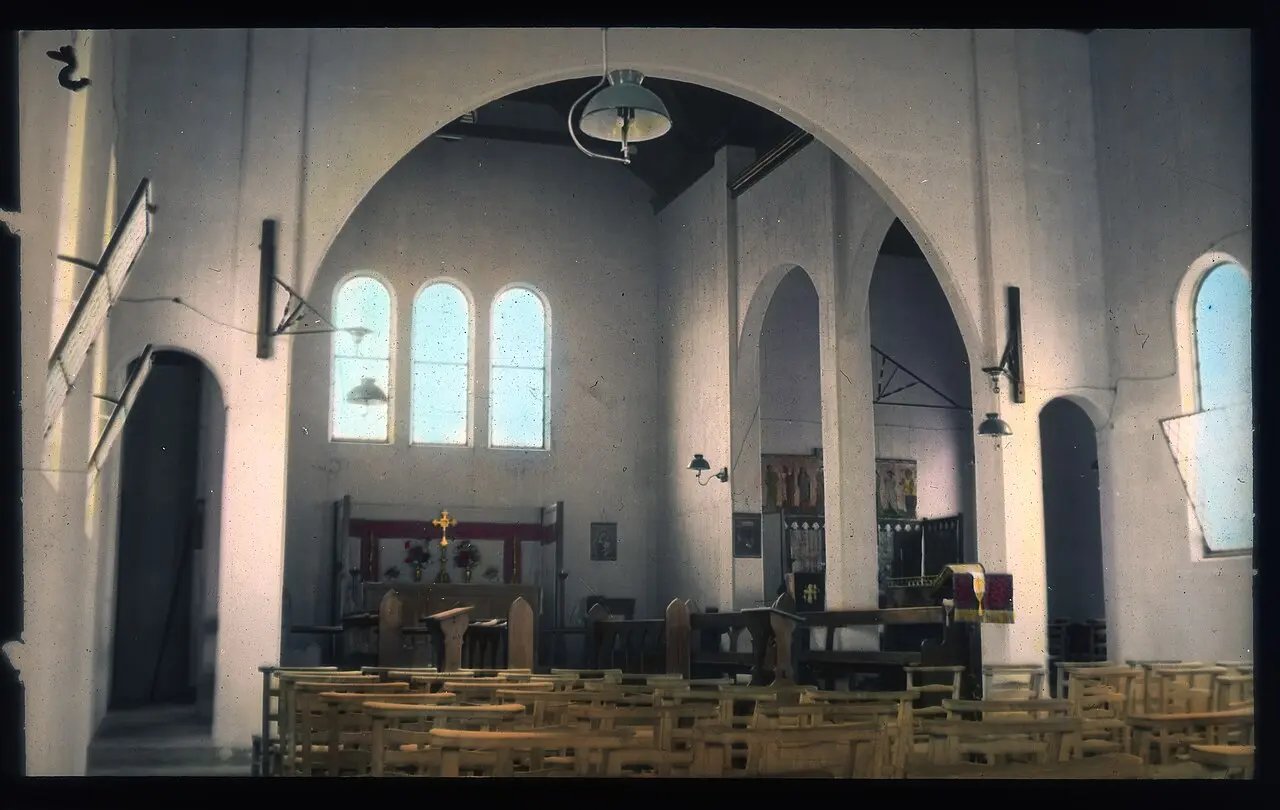
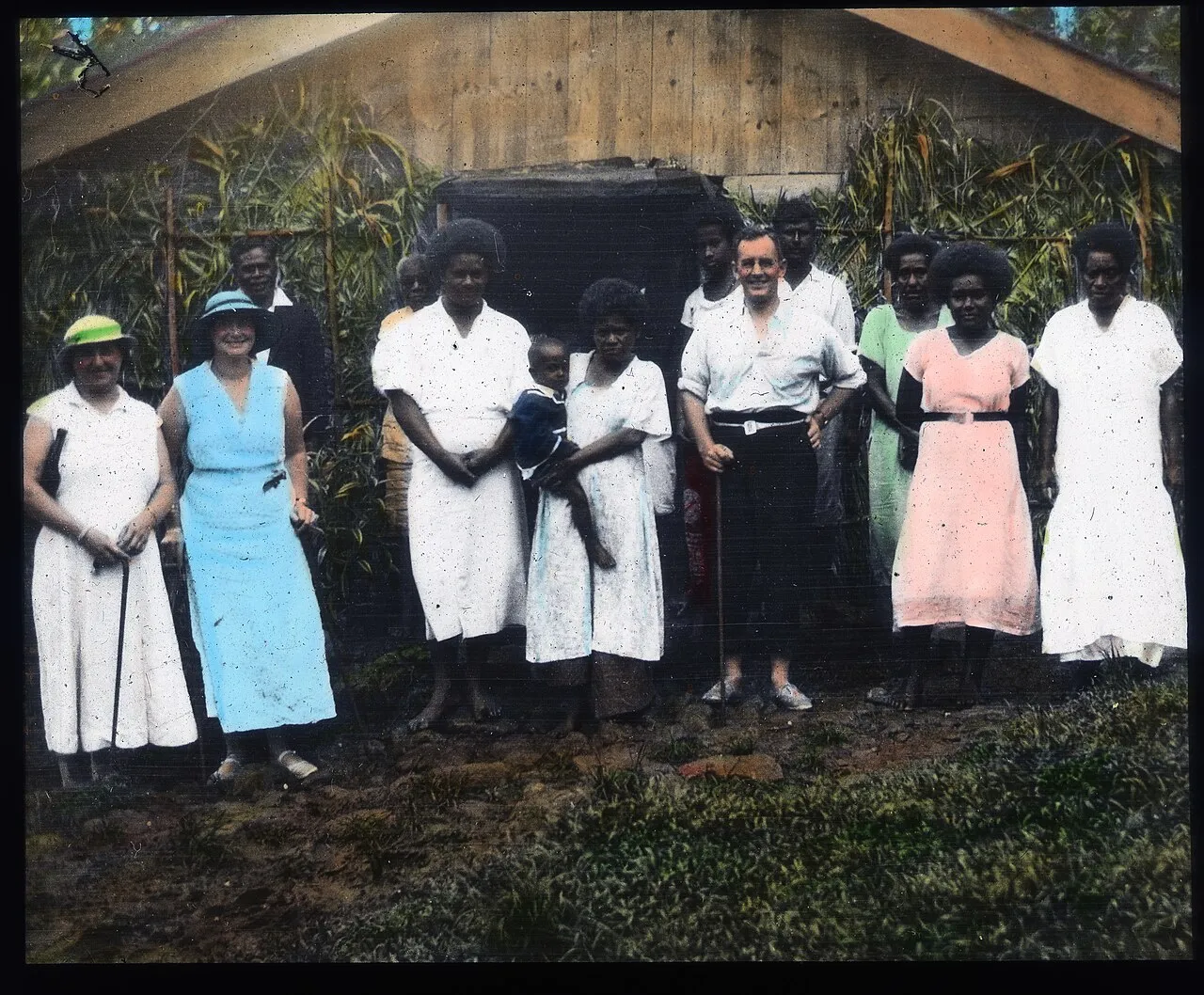
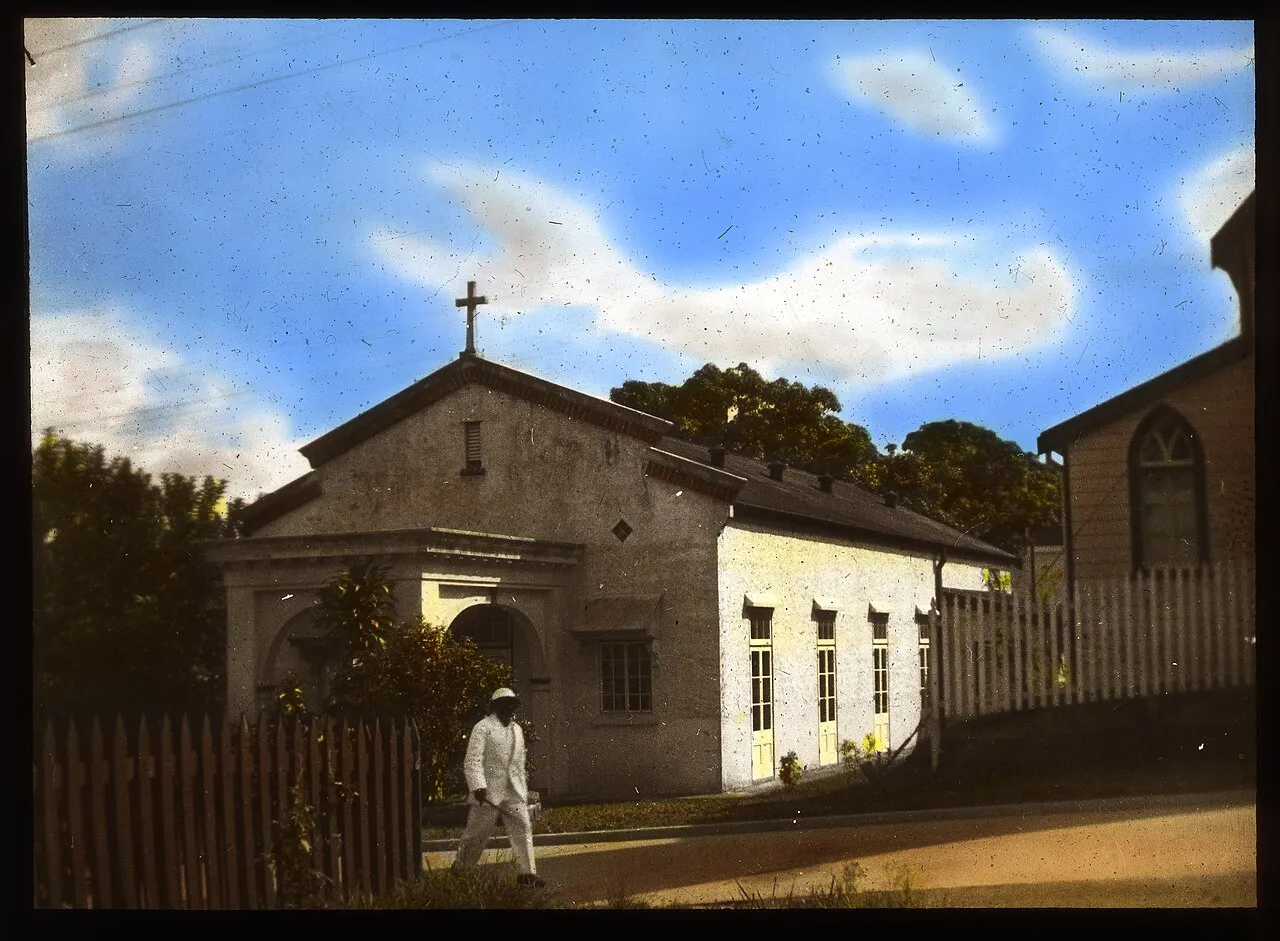
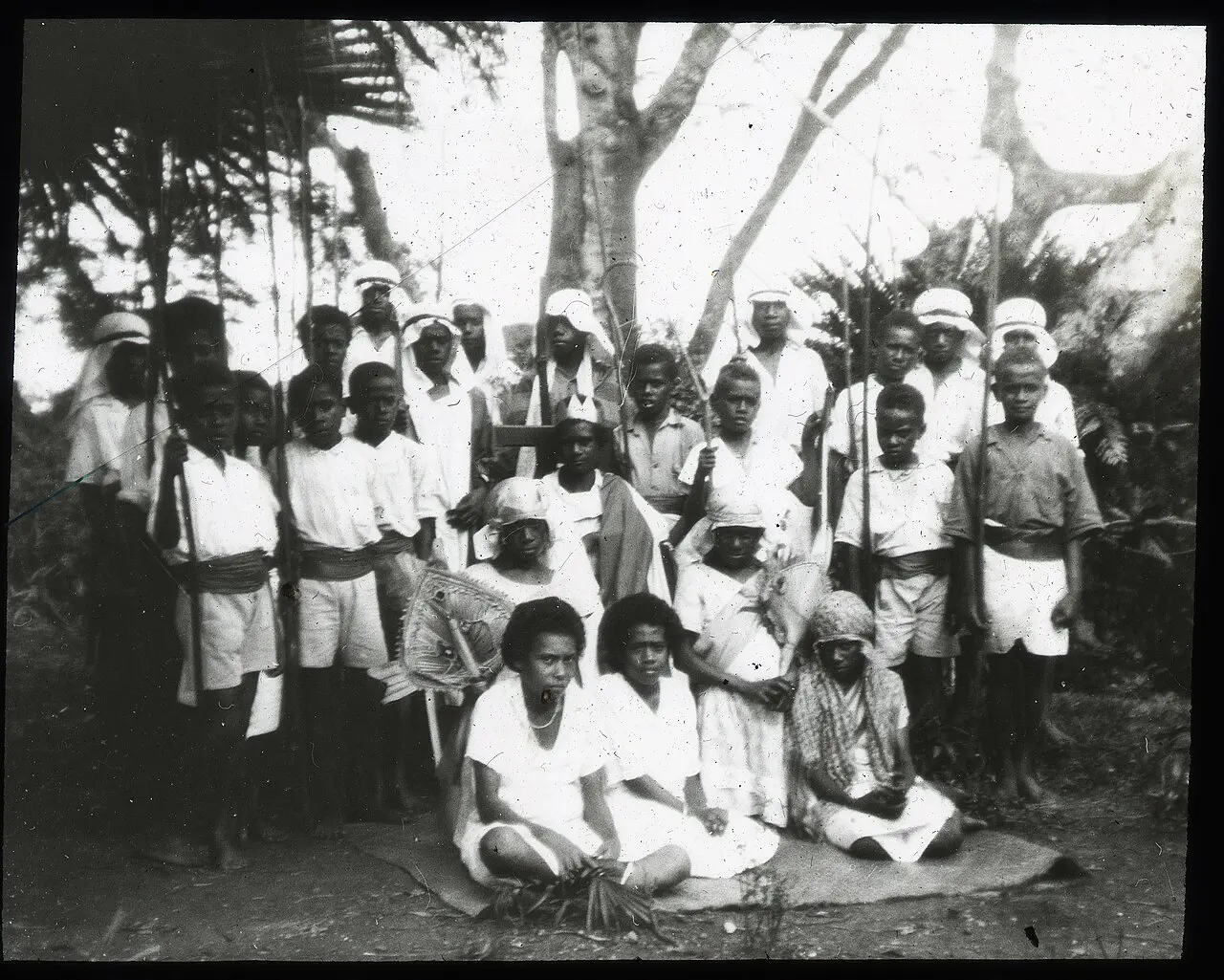
Missionaries, working with local speakers and Pacific Christian networks, developed writing conventions and translated Christian texts. Printing helped circulate teaching beyond the immediate presence of a missionary.
Written Fijian created new opportunities for learning and communication. It did not mean that history or knowledge had previously been absent: oral traditions, performance and skilled practice already carried them. Religious change reshaped those forms of knowledge rather than beginning Fijian intellectual life.
- Wikipedia: Fijian language ↗
- Wikipedia: Christianity in Fiji ↗
- Wikipedia: Methodist Church of Fiji and Rotuma ↗
- Cambridge MAA · Missionaries ↗
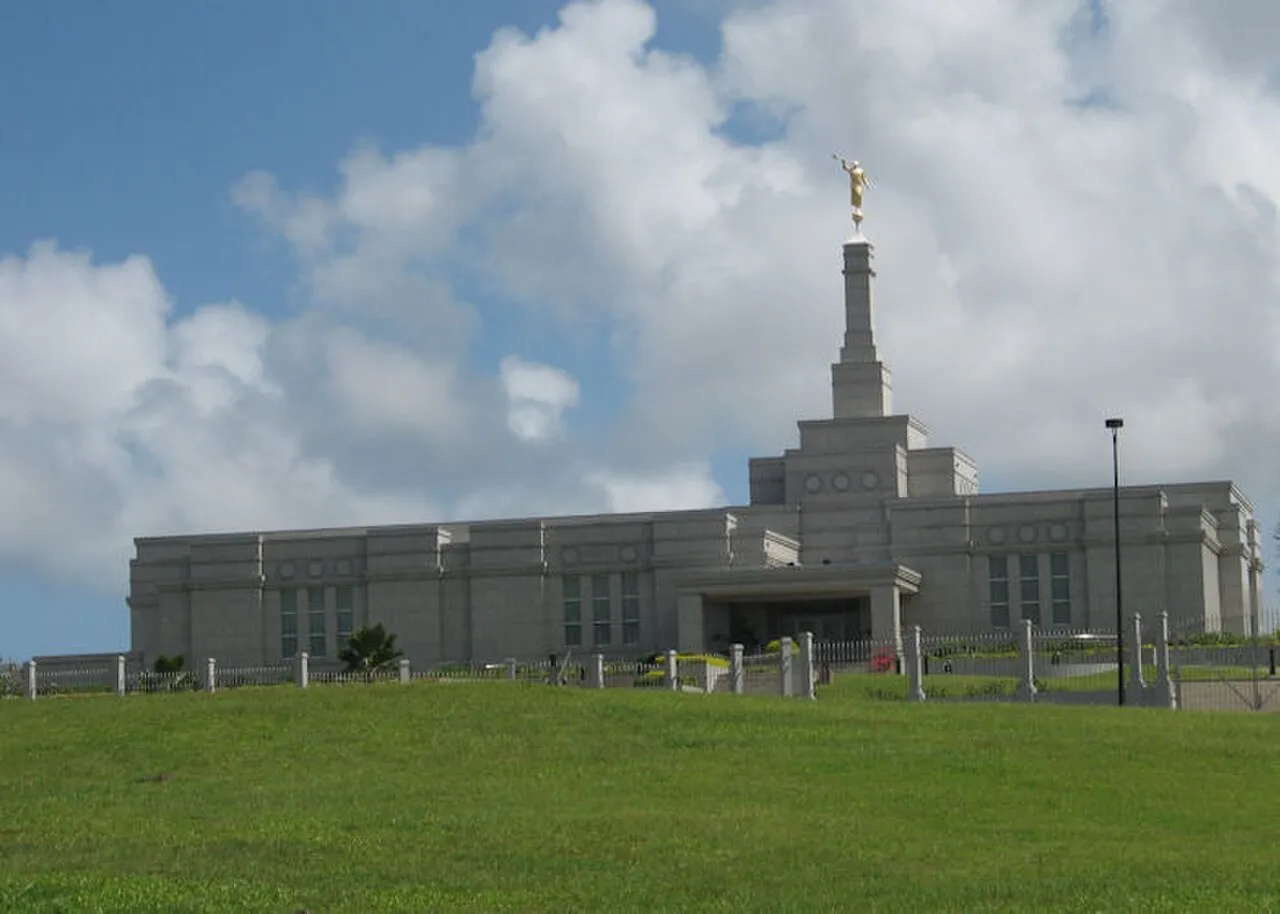
This pictureSuva Fiji Temple of The Church of Jesus Christ of Latter-day Saints . (2007) · D Prakash · CC BY-SA 2.0 · record ↗
Chapter text is awaiting cultural and historical review.
 Dimau Group