 14 May 1879
The arrival of the Leonidas
14 May 1879
A ship’s arrival began a new chapter in the lives of families and in Fiji’s history.
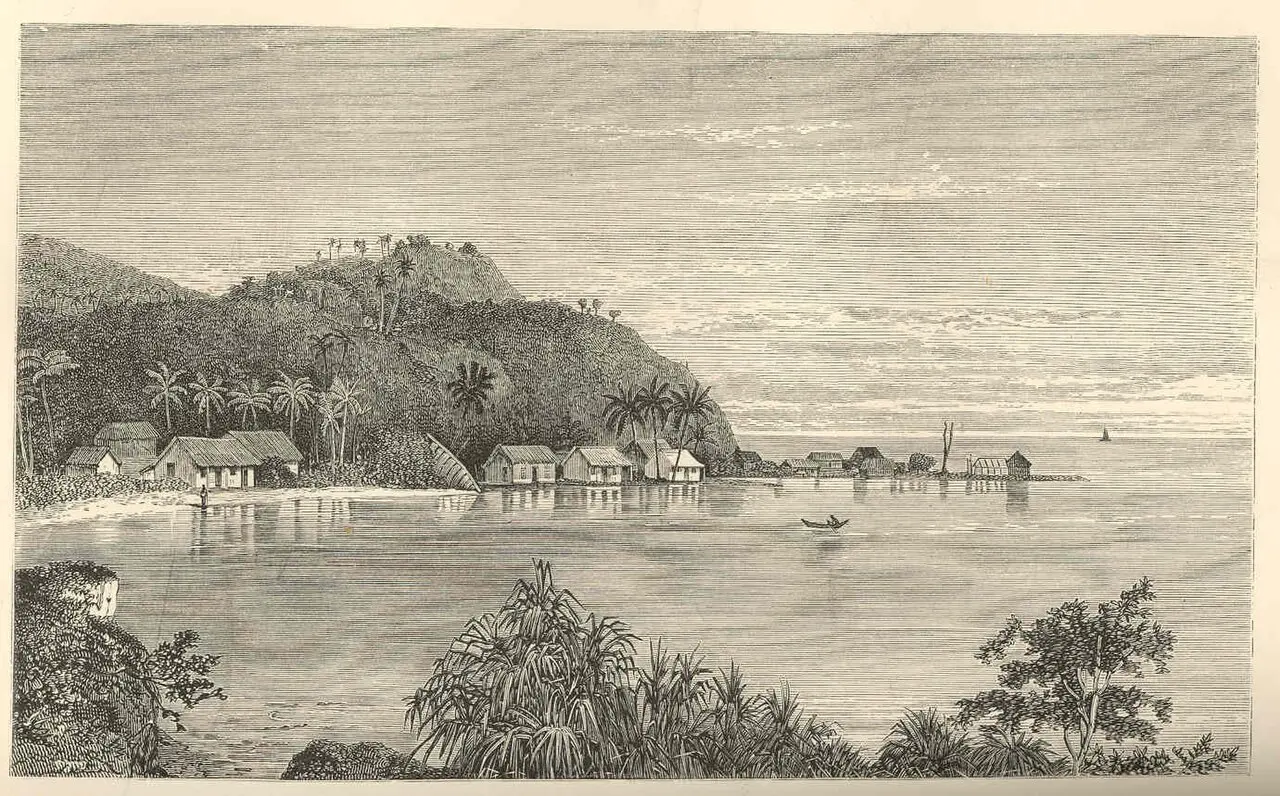
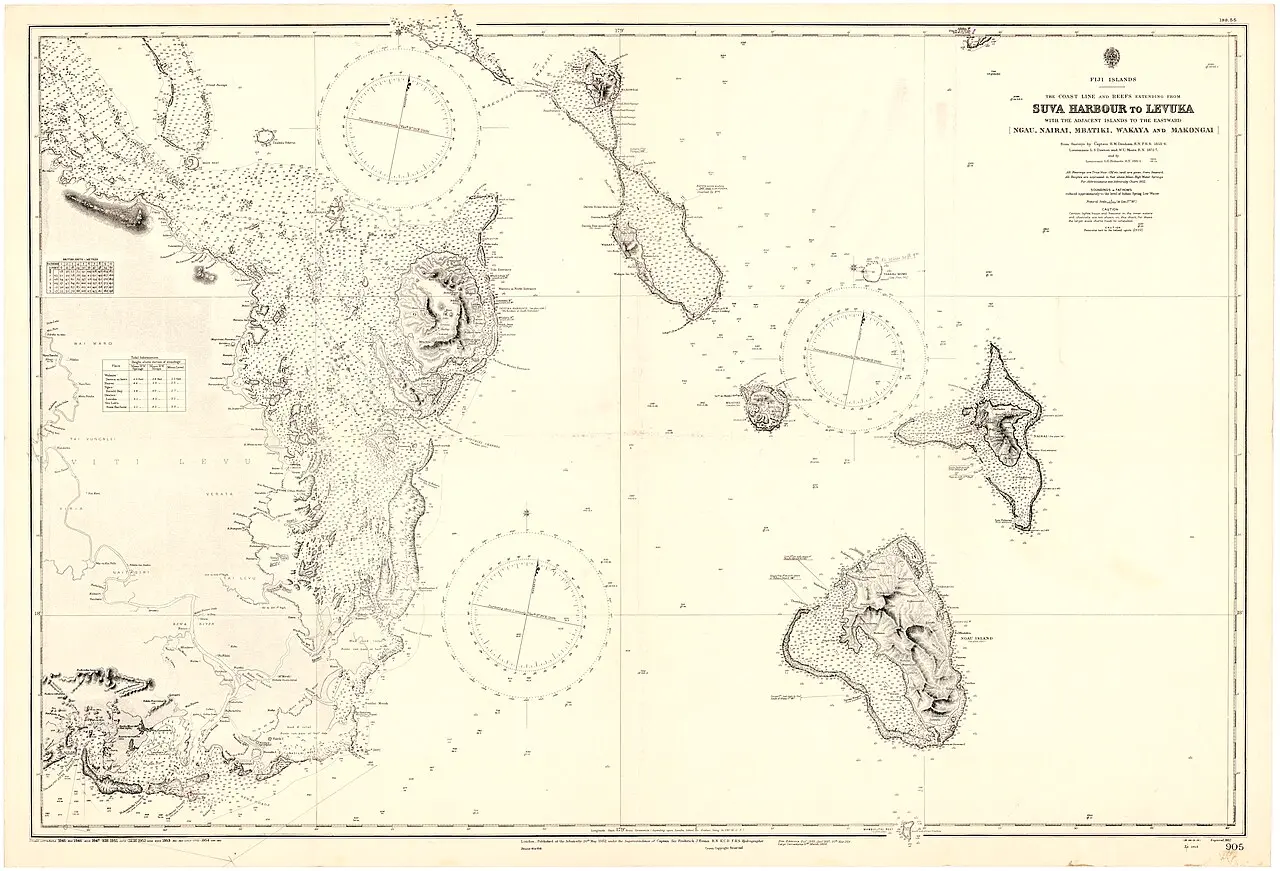
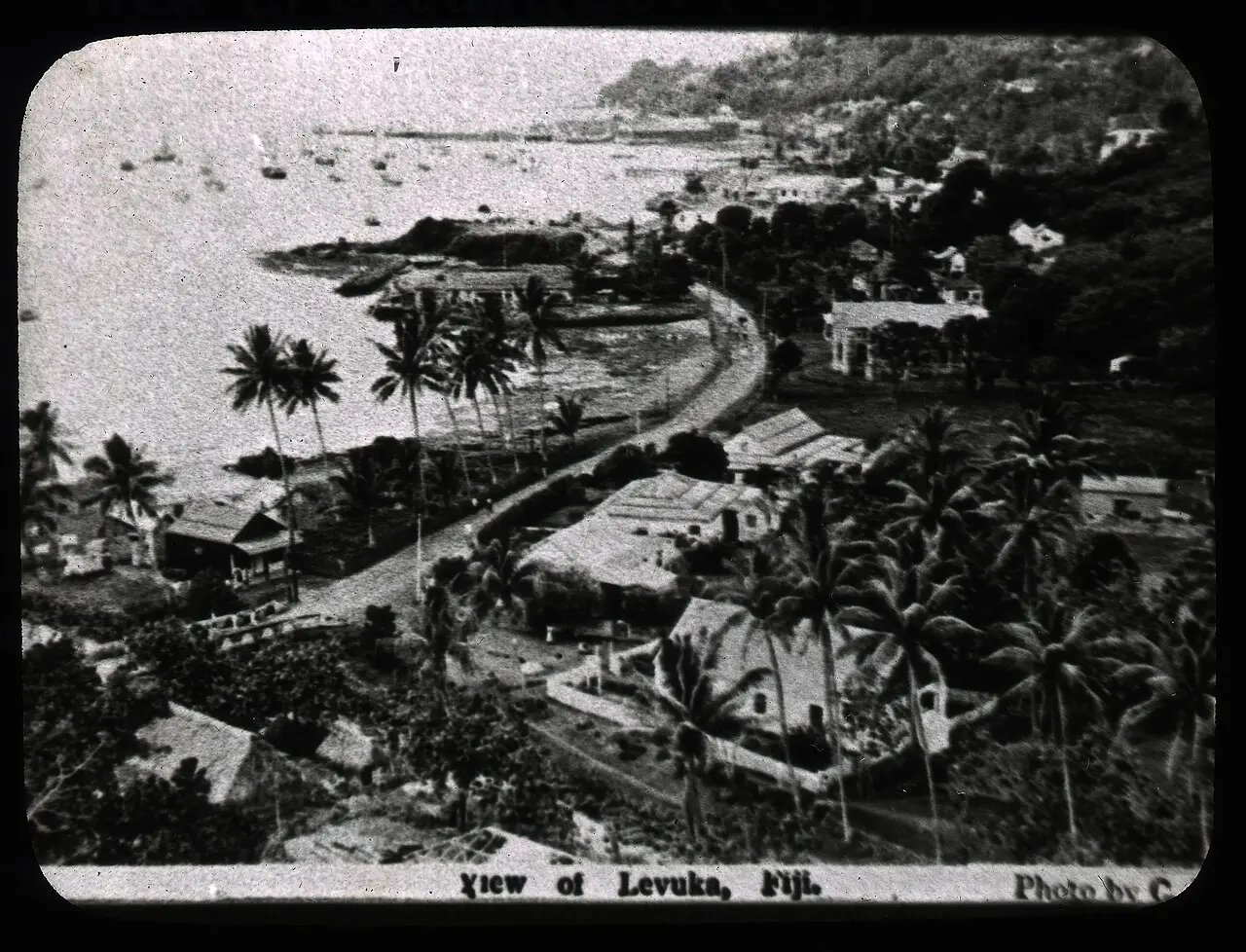
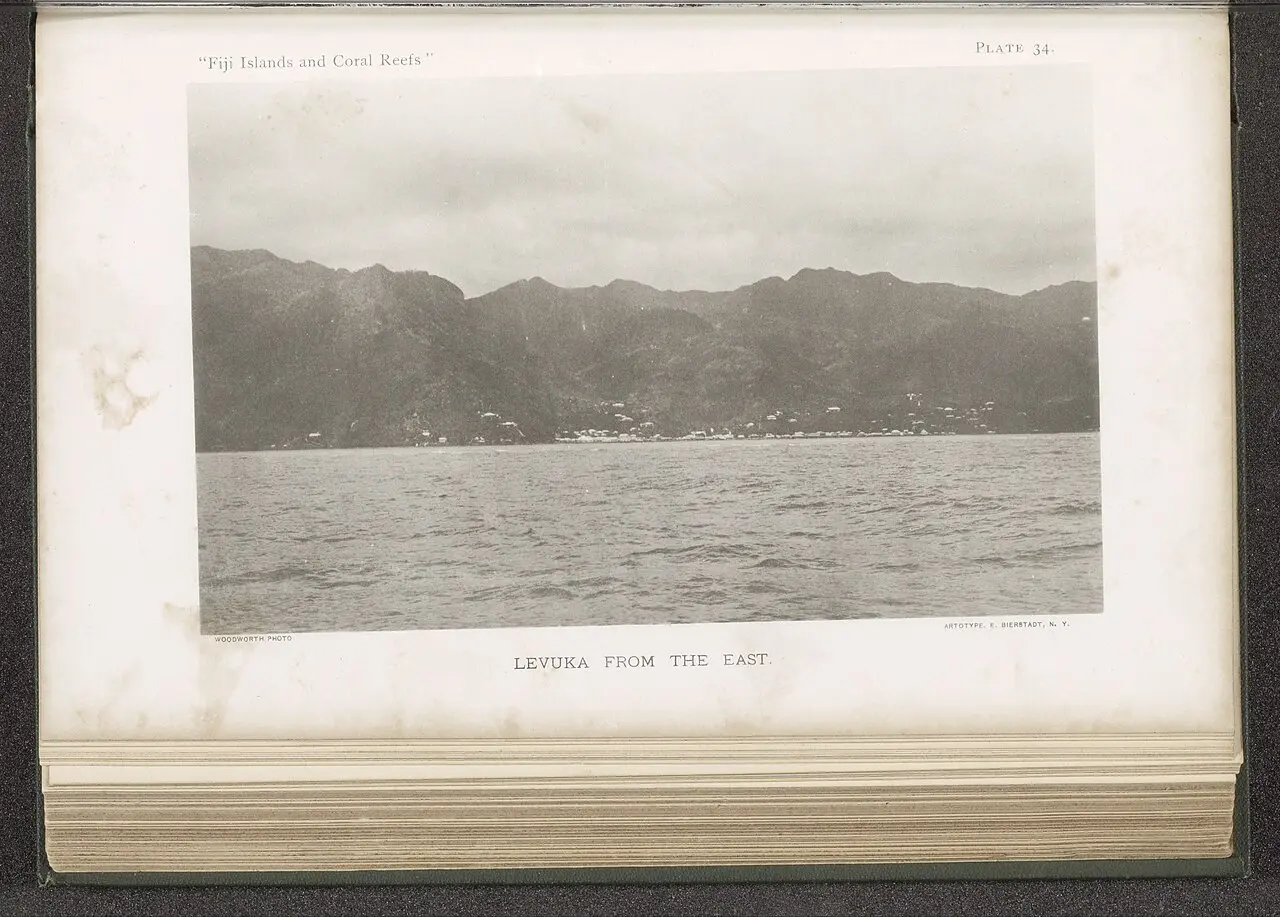
The Leonidas arrived at Levuka on 14 May 1879 with the first Indian indentured migrants to Fiji. Illness during the voyage and quarantine on arrival made the passage more difficult still.
Over the following decades, further ships brought men, women and children. Surviving emigration passes preserve names, family connections and places of origin. Behind the totals were individual lives, hopes and separations that no shipping statistic can fully explain.
- Wikipedia: Leonidas (ship) ↗
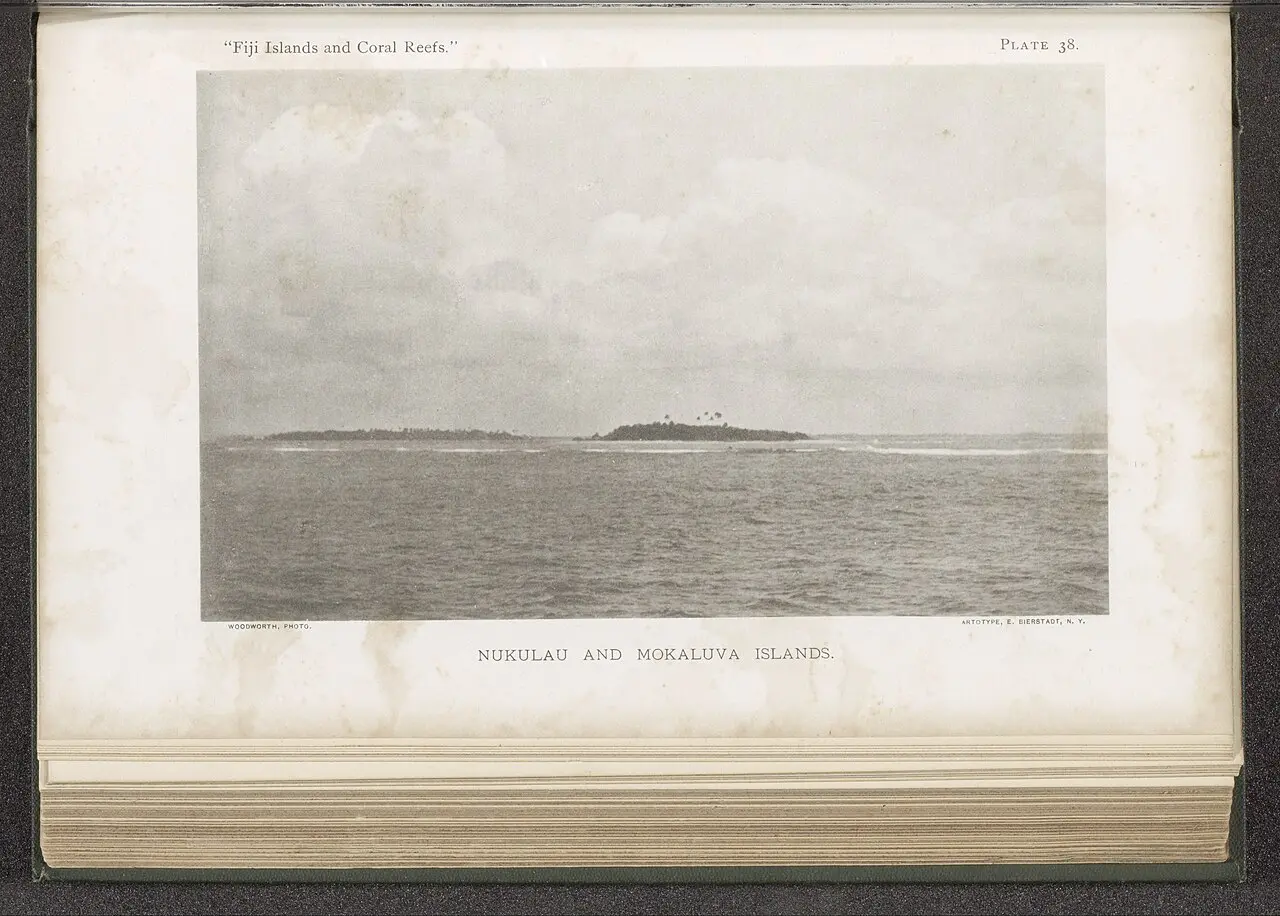
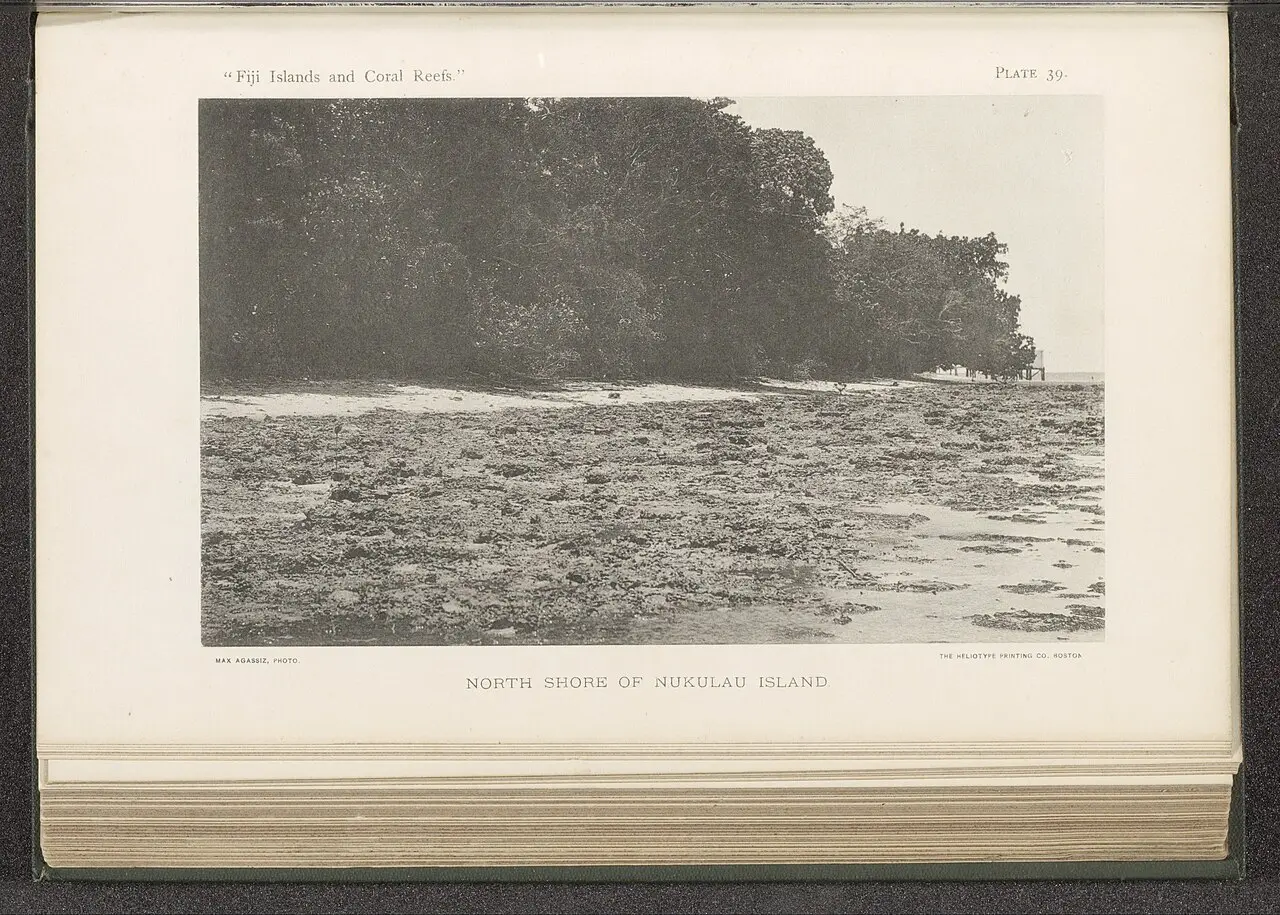
- Wikipedia: Nukulau ↗
- Wikipedia: Indo-Fijians ↗
- Girmit.org · History ↗
- National Archives of Fiji / National Library of Australia · Emigration passes ↗
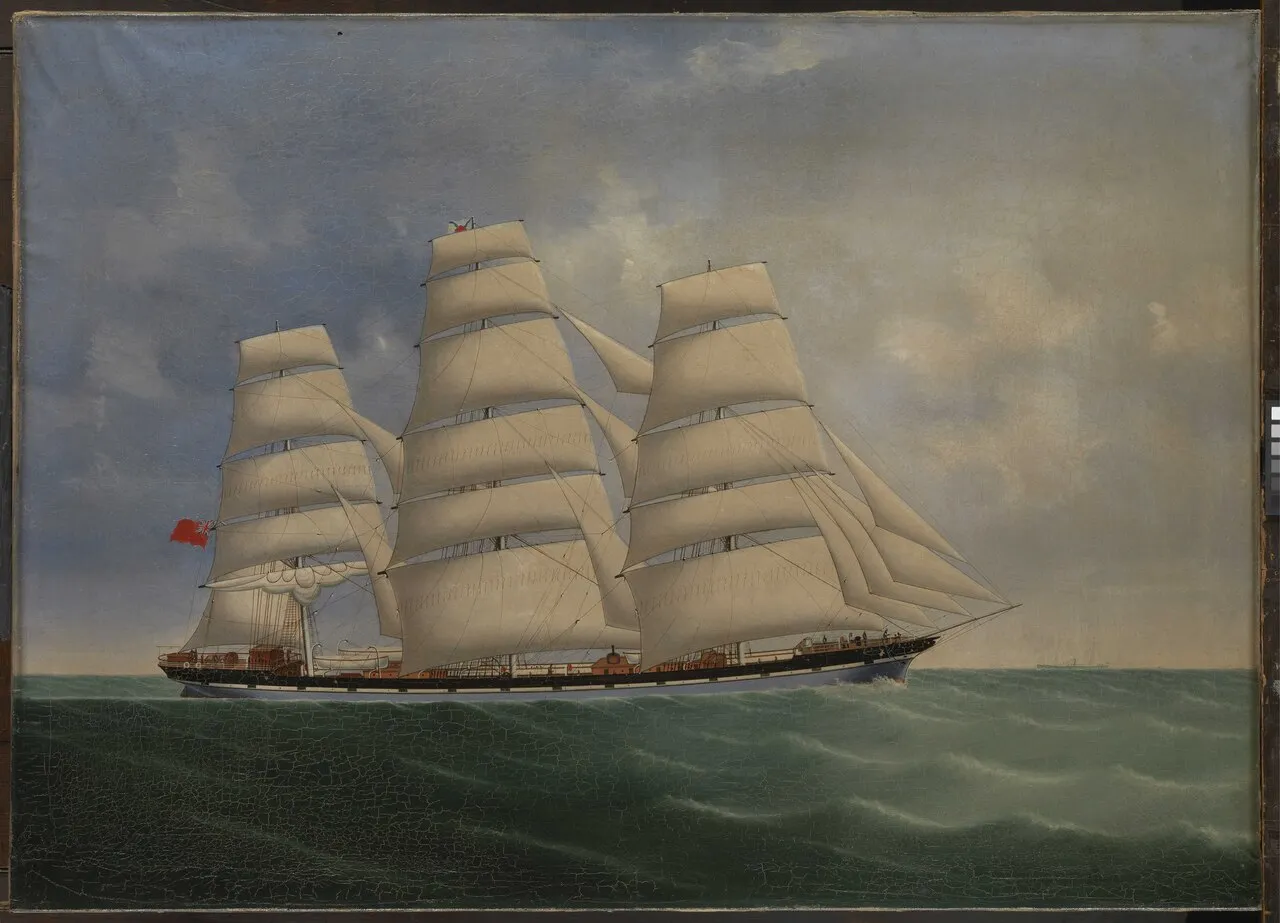
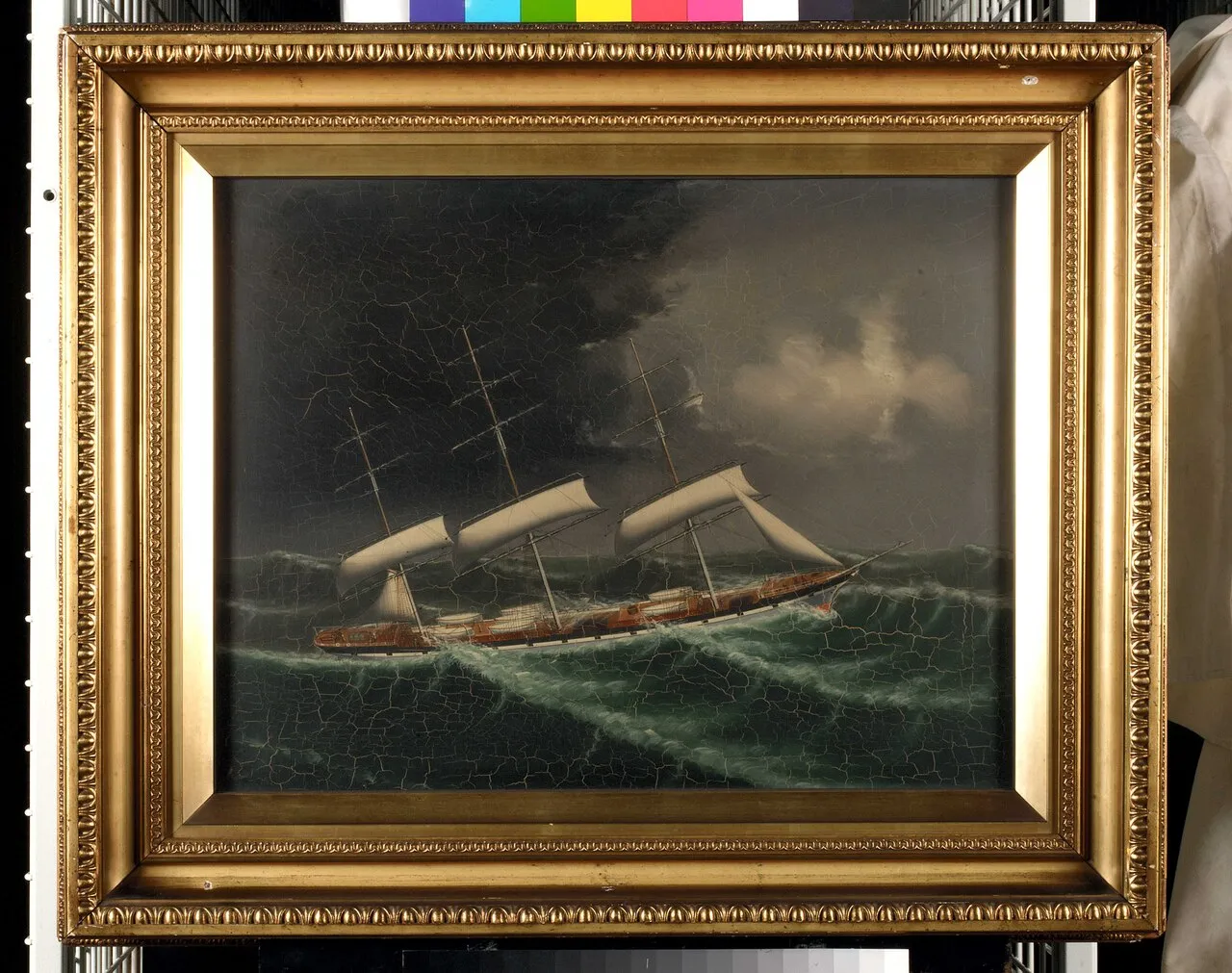
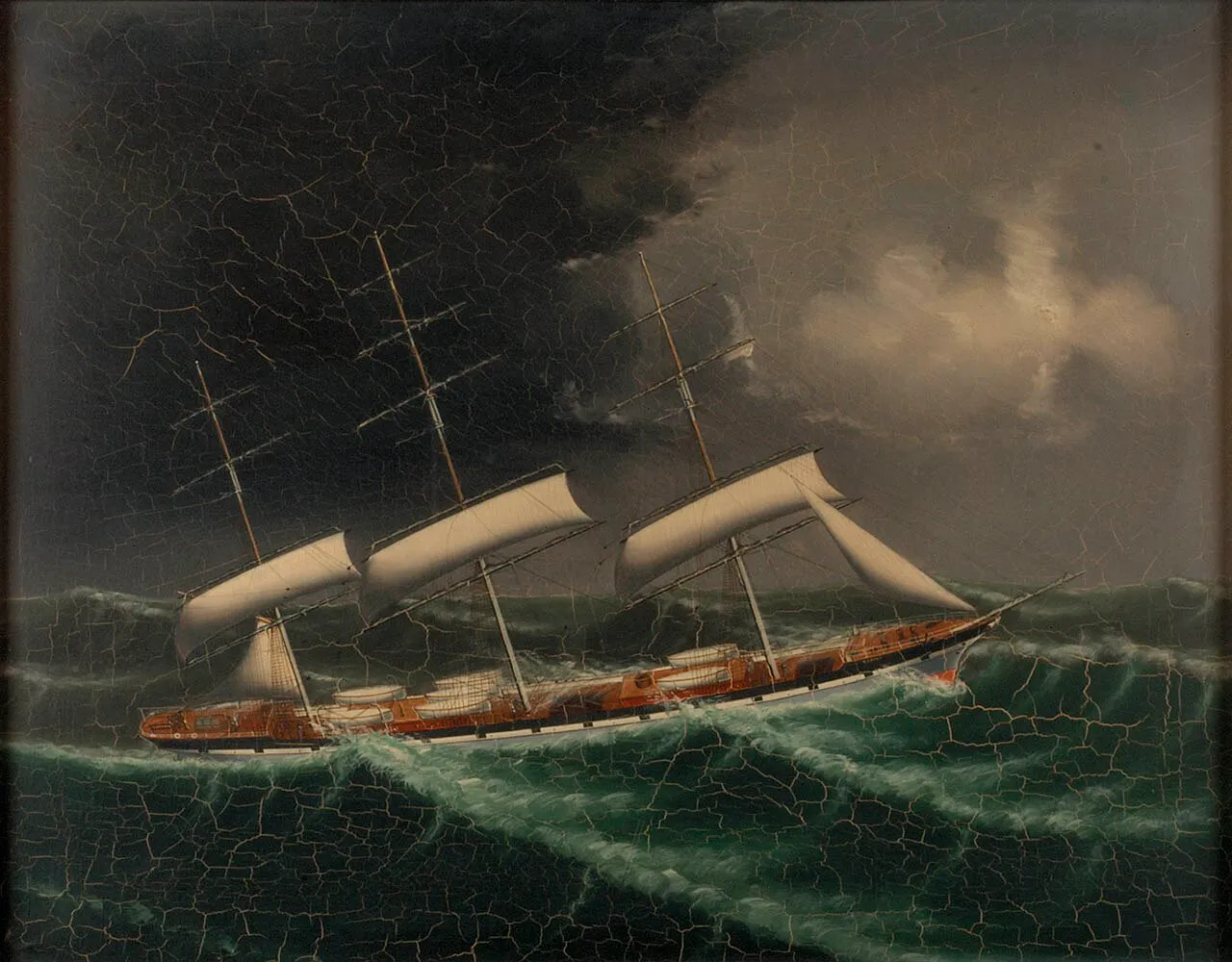
This pictureThe emigrant ship Volga II, which carried indentured labourers — 19th-century oil painting (Royal Museums Greenwich) · anonymous · Public domain · record ↗
Chapter text is awaiting cultural and historical review.
 Dimau Group