10 OCTOBER 1874
The Deed of Cession
What we know
- On 10 October 1874, at Levuka, Cakobau and other high chiefs signed the Deed of Cession, making Fiji a British colony.
- Sir Hercules Robinson signed for Britain.
- Cakobau sent his war club to Queen Victoria; it was later returned to Fiji and used as the mace of the legislature.
The story
On 10 October 1874, thirteen leading chiefs signed the Deed of Cession, transferring sovereignty to Britain. Sir Hercules Robinson represented the British Crown. The agreement established a colony from communities with distinct histories and interests.
The signatories’ decisions should not be mistaken for the individual consent of everyone in Fiji. British authority still had to be established in resistant districts. Cession opened another phase of negotiation, coercion and change.
Pictures in this chapter
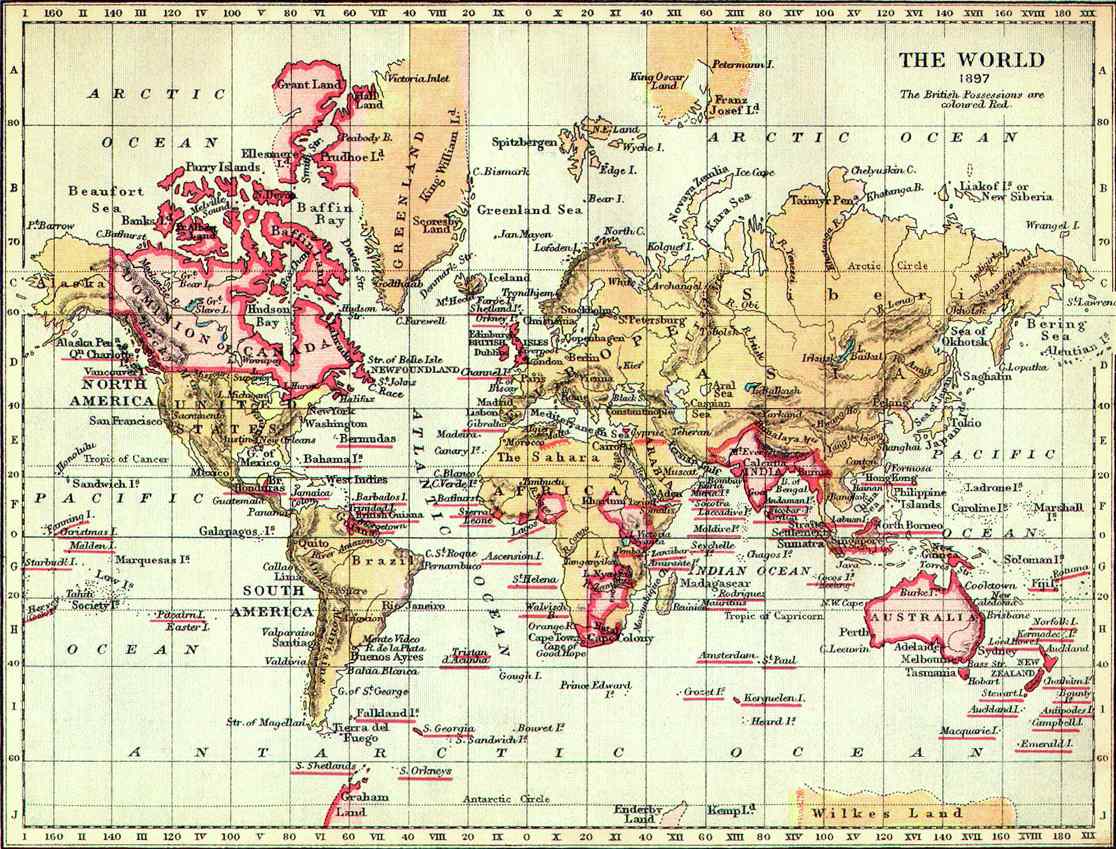 Map of the world in 1897, with British possessions coloured red
 Tui Levuka Kolinio Rokotunaceva at a re-enactment of the Deed of Cession, October 2006
 Sir Hercules Robinson (left) with Sir George Bowen and Sir Anthony Musgrave (1870s)
 Sir Hercules Robinson — portrait published in 1908
 Sir Hercules Robinson, Freeman Brothers Studio, 1872-1879
 Proclamation by Sir Hercules Robinson — Archives New Zealand
 Portrait of Sir Hercules Robinson at the Hong Kong Museum of History (2020)
 Sir Hercules Robinson — illustration (1900)
 Nasova House in Levuka Fiji (2000)
 Map of the Fiji Islands — Edward Stanford, London
Sources
More in Colonial Roots
Tell the museum something
A memory, a correction, or a question. Nothing you send appears on the site. It goes to the museum’s own queue, a person reads it, and they decide. If you teach, know this place, or remember it, your correction is worth more than a compliment.
This chapter’s text is awaiting cultural and historical review. Pictures keep the credit and licence of the collection that holds them.