
1875 TO 1880
Governor Gordon and the new order
What we know
- The measles epidemic of 1875 caused catastrophic loss of life; historical estimates of the toll vary.
- Governor Arthur Gordon pursued protection of Indigenous land and indirect administration through chiefs.
- Colonial forces fought resistance in the interior in 1876.
- Gordon also brought in indentured labour from India for the plantations.
The story
The measles epidemic of 1875 devastated Fijian communities and disrupted leadership and care. Historical estimates of the death toll differ; its scale should not be presented as an exact count.
Arthur Gordon, governor from 1875, pursued indirect administration through chiefs and protection of Indigenous land against further alienation. These policies also placed communities within colonial authority. The 1876 campaign against resistance in the interior shows the coercive side of that order.
Plantation employers still sought labour. Gordon’s policy helped turn that demand towards indentured migration from India, connecting the histories of land, empire and Girmit.
Pictures in this chapter
 Arthur Hamilton-Gordon (1870)
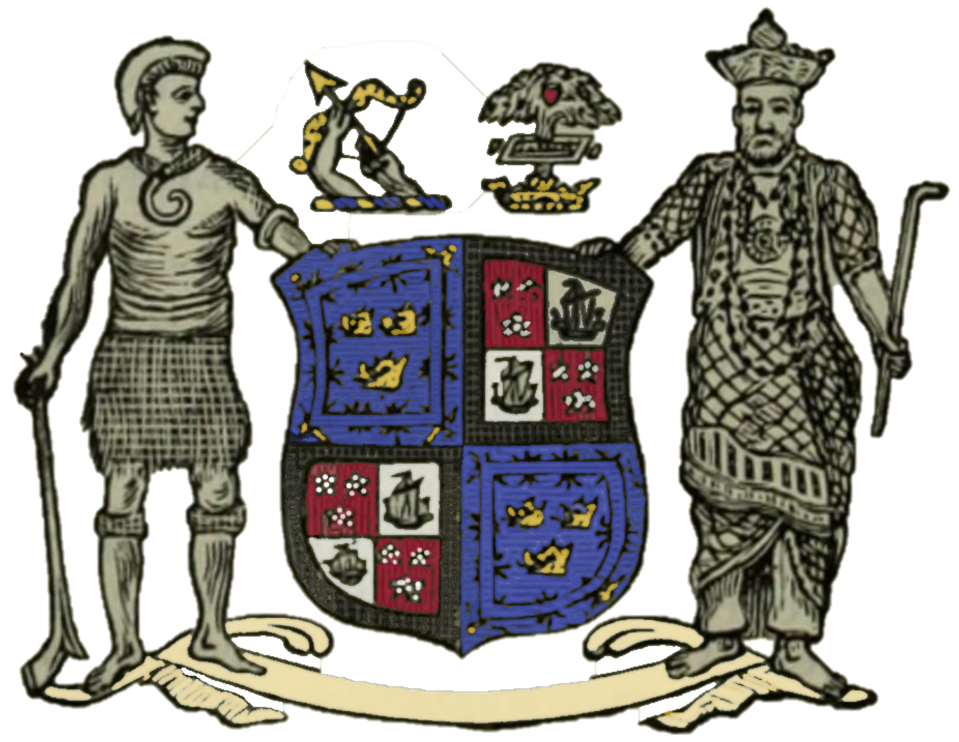 Coat of arms of Arthur Hamilton-Gordon, 1st Baron Stanmore
 Presidential palace, Suva (2015)
 Governors House (Suva, Fiji) (2015)
 Government House, Suva
 Photograph of the Government House in Suva, Fiji. (1962)
 Great Council of Chiefs, Waikava. (1876)
 Sir Arthur Hamilton-Gordon, 1st Baron Stanmore — portrait
 Nairukuruku Village on Wainimala River, Fiji by Constance Gordon-Cumming (1875)
 Walu Bay, Fiji, seen from the north-east (19th-century photograph)
Sources
More in Colonial Roots
Tell the museum something
A memory, a correction, or a question. Nothing you send appears on the site. It goes to the museum’s own queue, a person reads it, and they decide. If you teach, know this place, or remember it, your correction is worth more than a compliment.
This chapter’s text is awaiting cultural and historical review. Pictures keep the credit and licence of the collection that holds them.