 10 October 1874
The Deed of Cession
10 October 1874
A signature changed sovereignty; it did not end competing experiences of power.
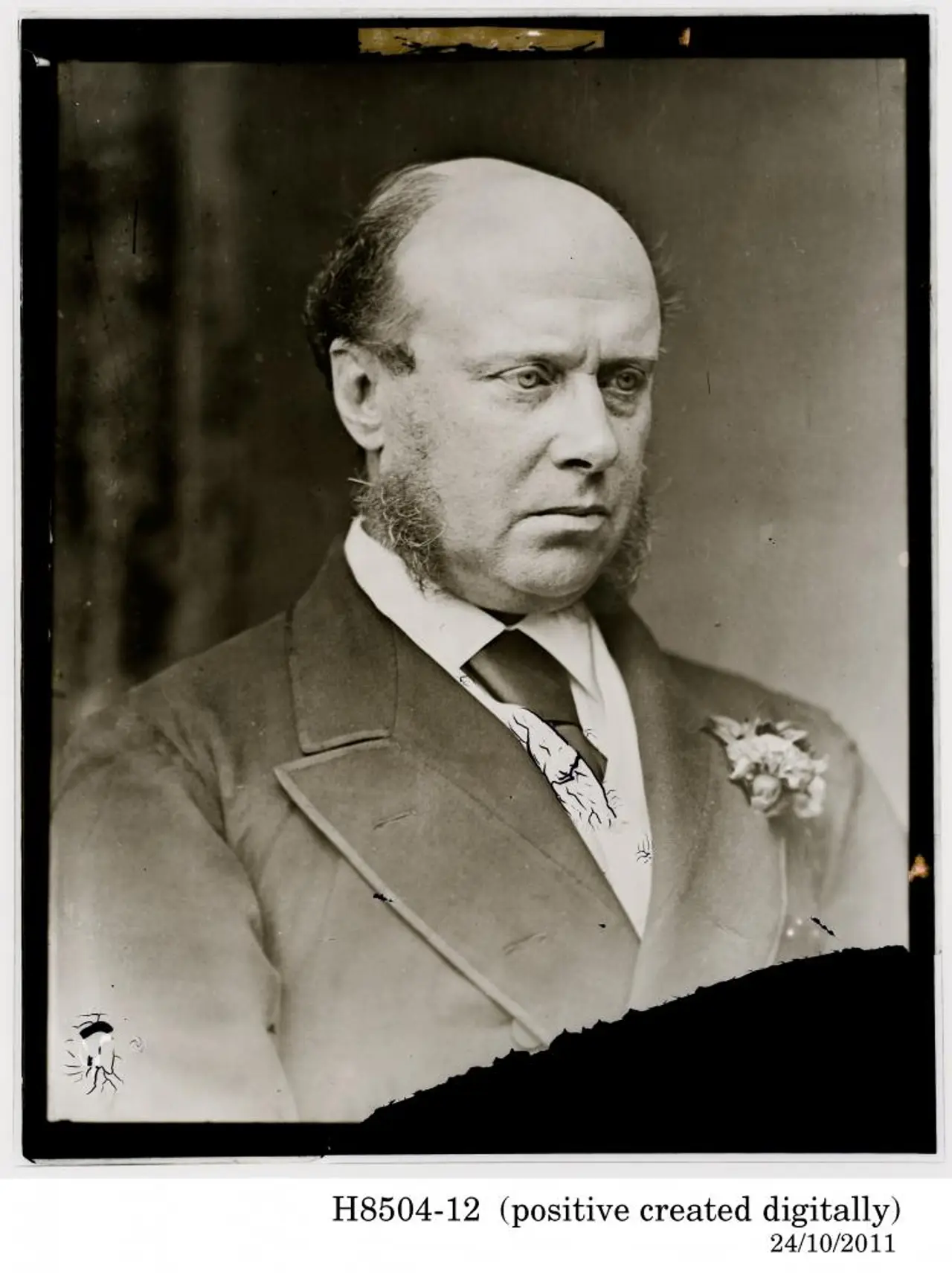
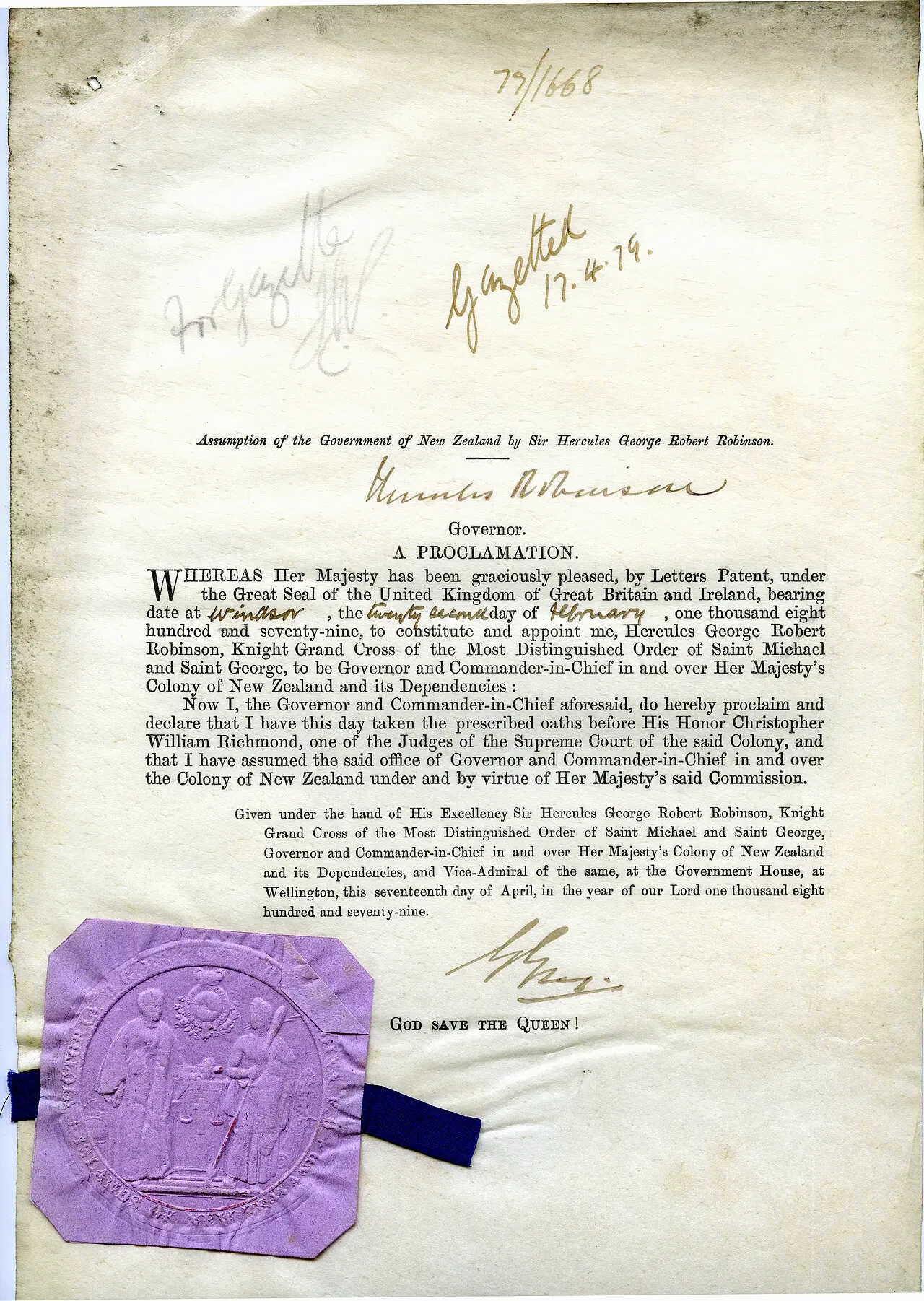
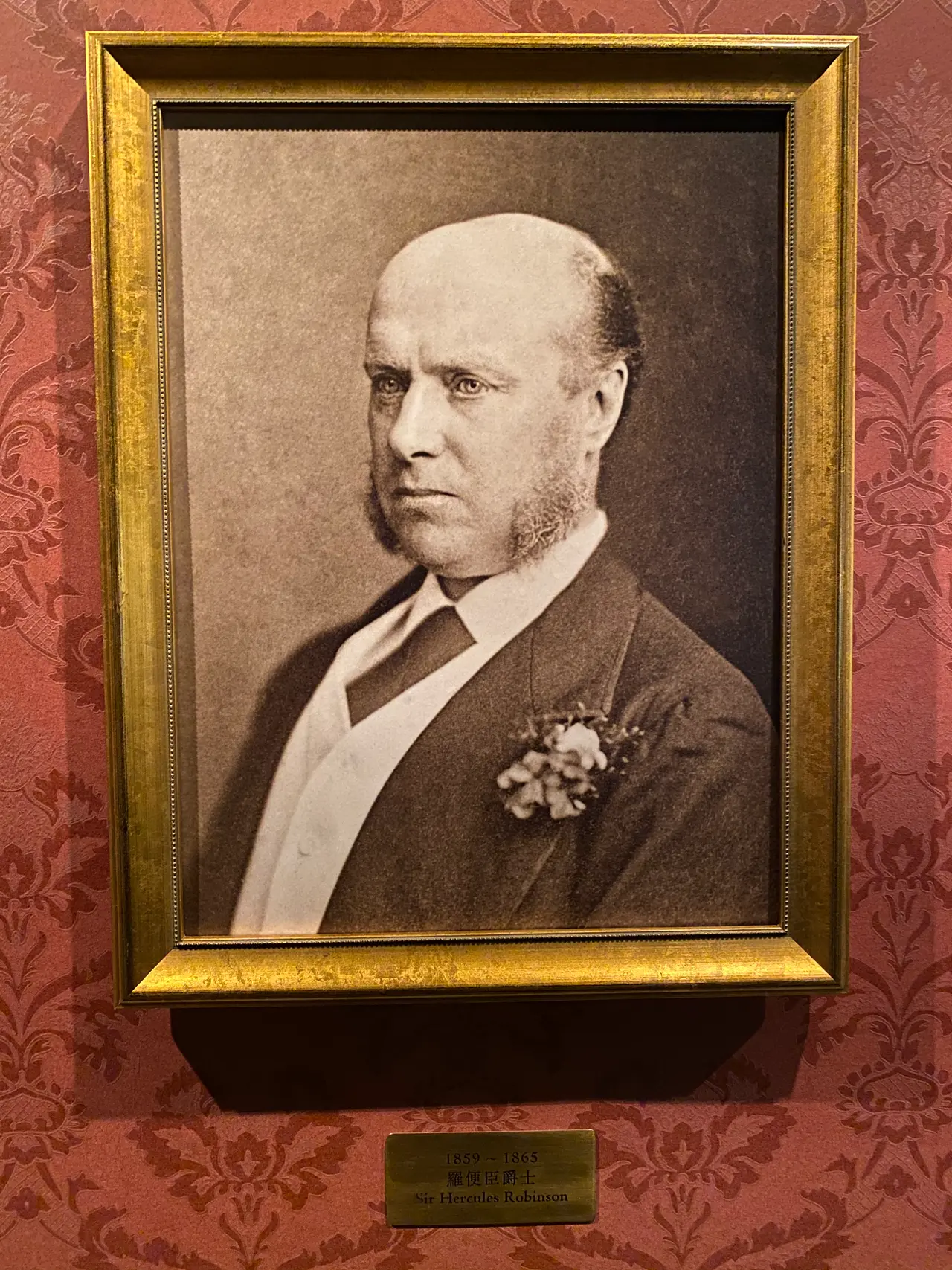
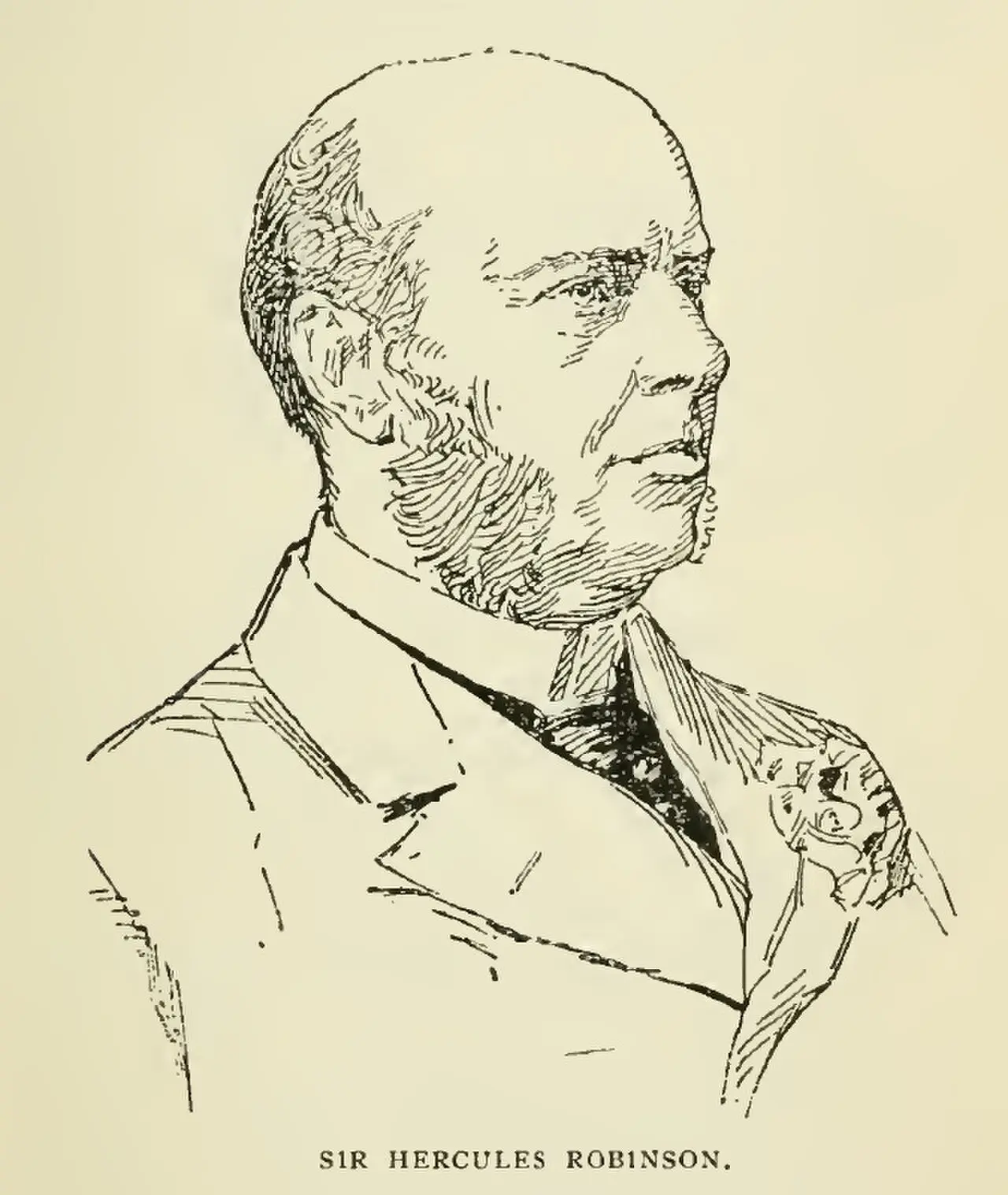
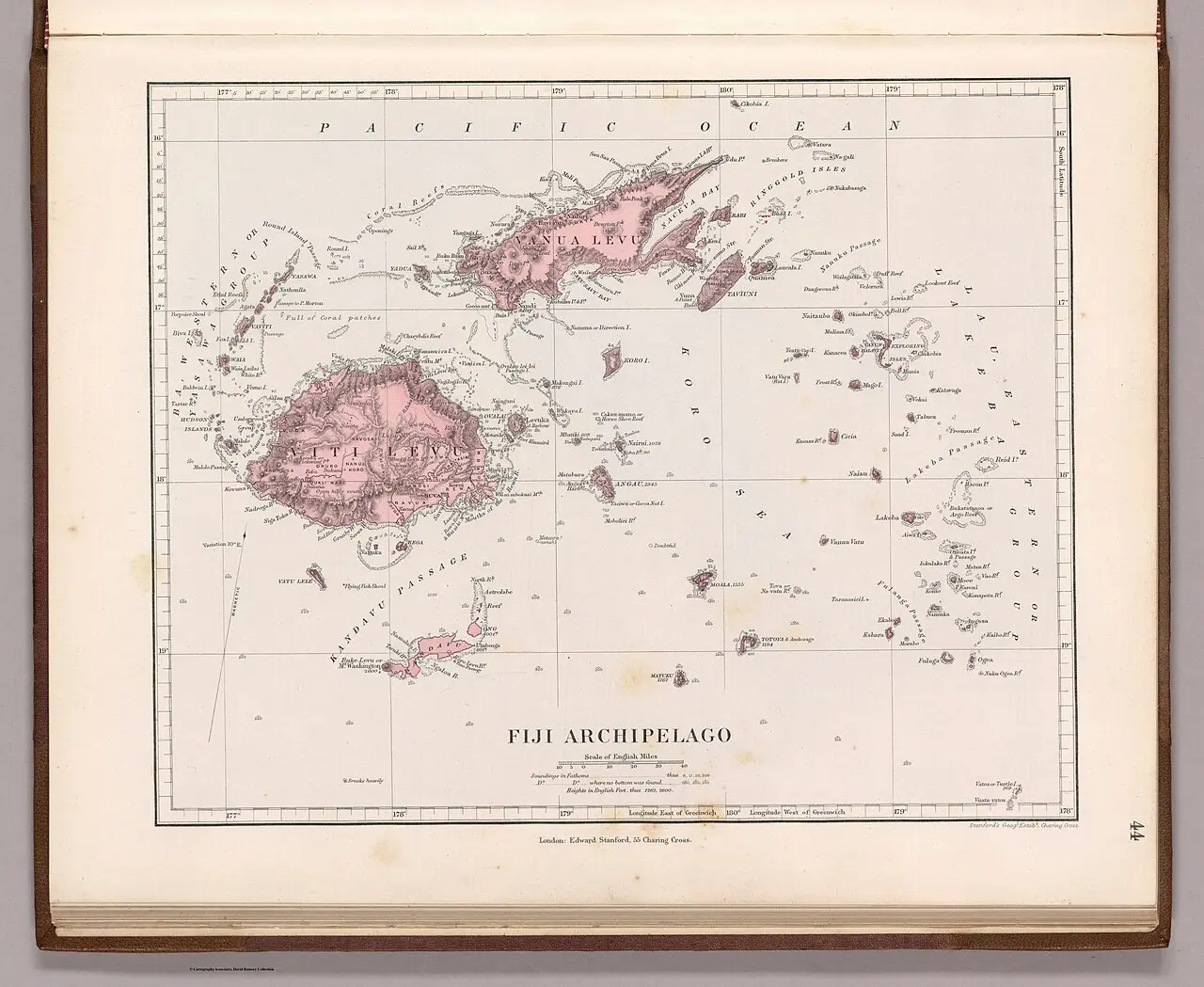
On 10 October 1874, thirteen leading chiefs signed the Deed of Cession, transferring sovereignty to Britain. Sir Hercules Robinson represented the British Crown. The agreement established a colony from communities with distinct histories and interests.
The signatories’ decisions should not be mistaken for the individual consent of everyone in Fiji. British authority still had to be established in resistant districts. Cession opened another phase of negotiation, coercion and change.
- Wikipedia: Deed of Cession ↗
- Wikipedia: Colony of Fiji ↗
- Cambridge MAA · Chiefs and Governors ↗
- Cambridge MAA · Chiefdoms ↗
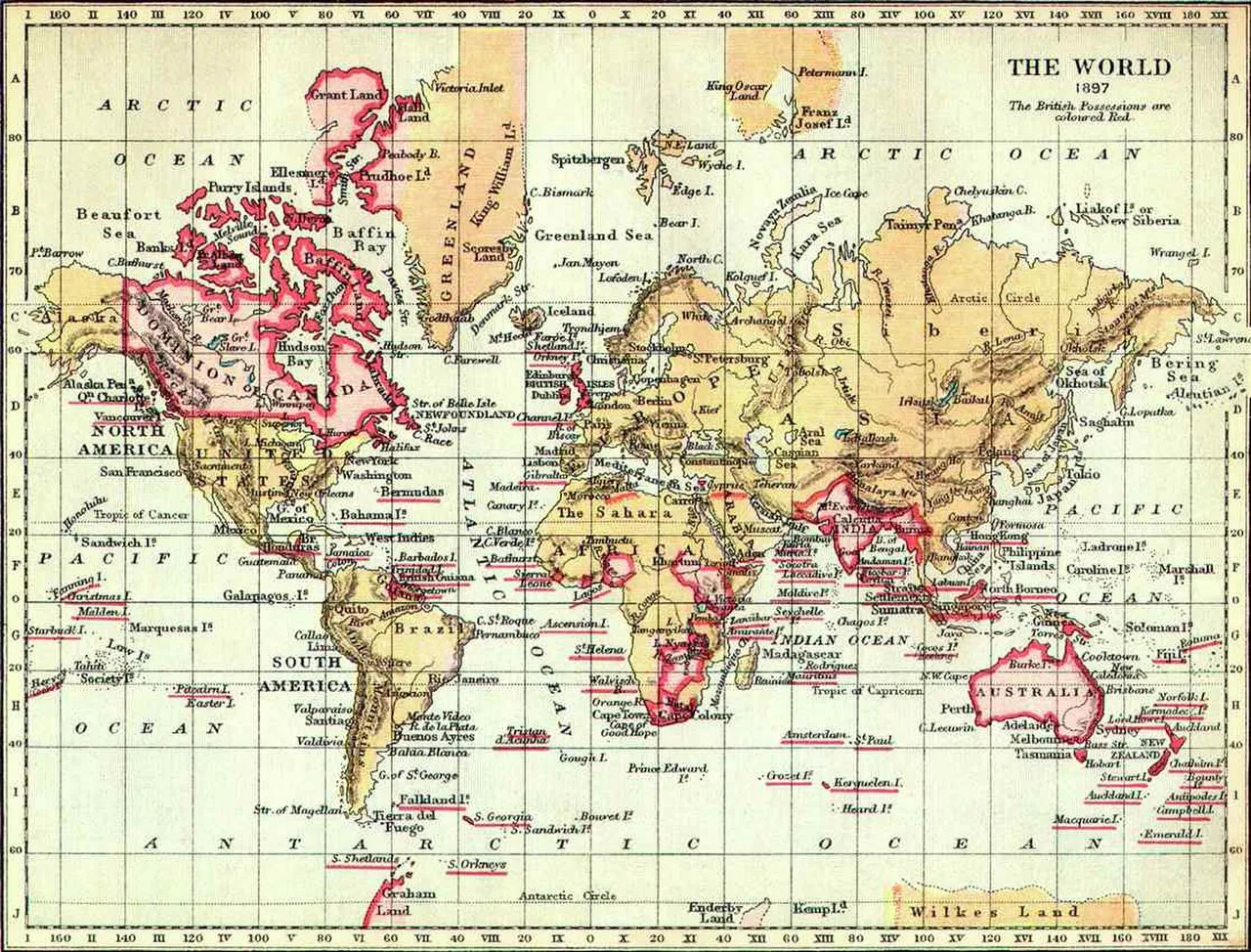
This pictureMap of the world in 1897, with British possessions coloured red · Unknown author · Public domain · record ↗
Chapter text is awaiting cultural and historical review.
 Dimau Group